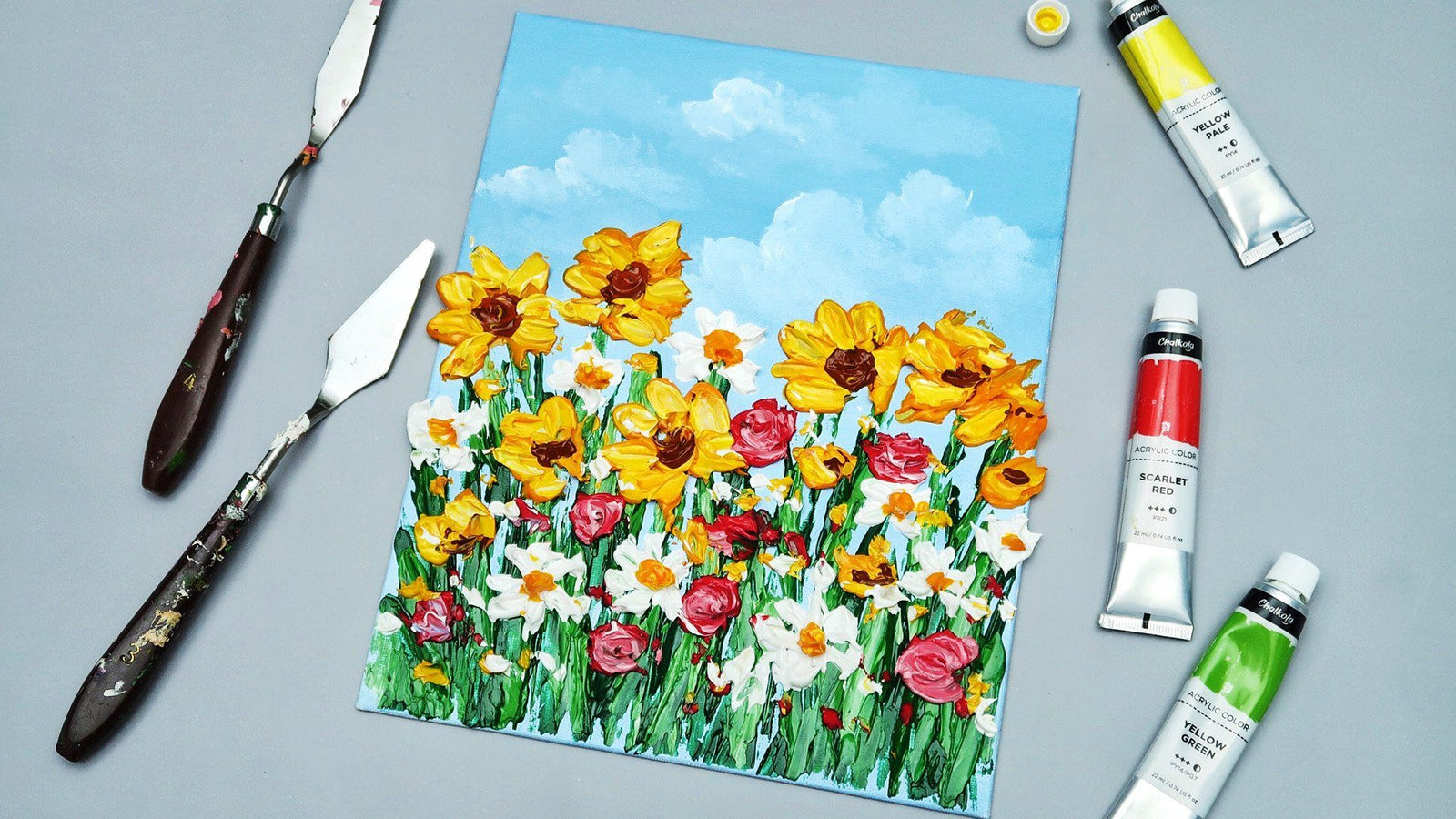
Unveiling the Essence of Painting A Profound Dive into the World of Visual Art
Painting, a form of artistic expression that transcends time and culture, has been an integral part of human history. From ancient cave paintings to the sophisticated masterpieces adorning the walls of prestigious museums, the art of painting has evolved, leaving an indelible mark on the fabric of human creativity. This article delves into the essence of painting, exploring its rich history, various techniques, and the profound impact it has on our perception of the world.
A Kaleidoscope of Colors The Language of Painting
At its core, painting is a visual language that communicates emotions, ideas, and narratives through the interplay of colors. Artists wield their brushes like words, creating vibrant and evocative compositions that speak to the viewers on a profound level. The choice of colors is not arbitrary; it is a deliberate and expressive decision that can evoke a spectrum of emotions. From the bold and fiery reds to the serene and calming blues, each hue carries its own emotional resonance, allowing artists to convey a myriad of feelings within a single canvas.
The Canvas as a Time Capsule Capturing Moments in Art
One of the remarkable aspects of painting is its ability to freeze moments in time. Whether it’s the enigmatic smile of Mona Lisa or the tumultuous seas in Hokusai’s “The Great Wave off Kanagawa,” paintings immortalize emotions, stories, and atmospheres. The canvas becomes a time capsule, preserving the artist’s perception and inviting viewers to step into the past or experience distant worlds. This unique power to transcend time is what makes painting a timeless and revered form of art.
Techniques that Shape Masterpieces A Symphony of Brushstrokes
The art of painting encompasses a diverse range of techniques that contribute to the creation of masterpieces. From the meticulous details of realism to the bold strokes of impressionism, each technique reflects the artist’s vision and style. The use of light and shadow, texture, and perspective adds layers of complexity, turning a simple canvas into a multi-dimensional experience. Whether it’s the intricate cross-hatching of a pen-and-ink drawing or the expressive impasto of a Van Gogh masterpiece, the techniques employed in painting are as diverse as the artists themselves.
Beyond the Canvas The Fusion of Technology and Painting
As technology advances, painting has not remained untouched. Digital painting has emerged as a revolutionary medium, allowing artists to create on electronic canvases with a palette of virtual colors. This marriage of technology and tradition has opened new frontiers for artistic expression, pushing the boundaries of what is possible. Digital painting tools provide unprecedented flexibility, enabling artists to experiment with different styles, textures, and effects at the click of a button.
In addition to being a visual delight, painting has therapeutic benefits that contribute to mental well-being. The act of painting, with its rhythmic brushstrokes and immersive focus, provides a meditative escape from the stresses of daily life. Art therapy has gained recognition for its ability to help individuals express and process complex emotions. Whether it’s through the soothing repetition of strokes or the release of pent-up emotions on the canvas, painting offers a therapeutic avenue for self-discovery and healing.
The therapeutic benefits of painting extend beyond the act of creation. Engaging in artistic endeavors has been shown to reduce stress, alleviate anxiety, and promote a sense of calm. This article explores how painting serves as a therapeutic outlet, allowing individuals to navigate the complexities of modern life through the soothing and transformative power of art.
Contemporary art has broken free from the confines of traditional studios, finding expression on urban walls and unconventional surfaces. Street art, graffiti, and mural painting have become powerful mediums for social commentary, activism, and cultural expression. Artists use public spaces as their canvases, transforming mundane environments into vibrant galleries that challenge, inspire, and engage passersby. This democratization of art brings painting to the streets, making it accessible to a broader audience and fostering a dynamic interplay between artists and their communities.
The emergence of street art as a powerful form of expression has reshaped the landscape of urban environments. This article explores the cultural impact of street art, highlighting how painting on city walls transcends traditional boundaries to engage, provoke, and redefine the public’s relationship with art.
In conclusion, painting remains an unparalleled form of artistic expression, weaving together colors, techniques, and narratives that transcend time and culture. From the ancient caves to the digital realm, the evolution of painting reflects the ever-changing landscape of human creativity. As a therapeutic outlet, a historical record, and a contemporary mode of expression, painting continues to captivate, inspire, and leave an indelible mark on the canvas of human experience.