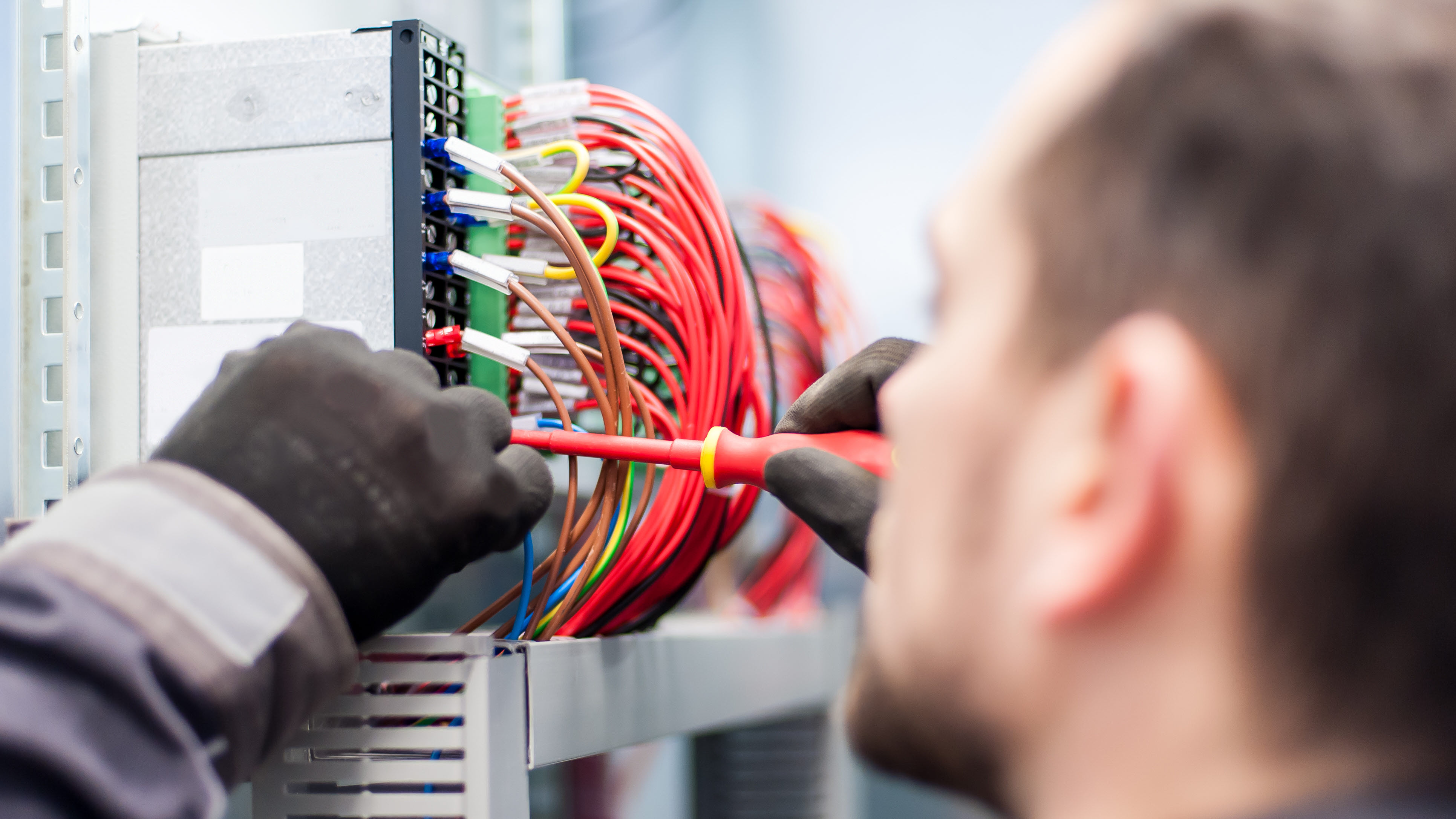
Electrical work is a crucial aspect of modern living, powering our homes, offices, and industries. Whether you’re installing new wiring, troubleshooting electrical issues, or upgrading your electrical system, understanding the basics of electrical work is essential for safety and efficiency.
The Importance of Professional Electrical Work
When it comes to electrical work, safety should always be the top priority. Hiring a licensed and experienced electrician ensures that the work is done correctly, adhering to the necessary codes and standards. Attempting DIY electrical projects without the right knowledge and expertise can lead to hazardous situations, including electrical fires and electrocution.
Understanding Electrical Wiring
- Components of an Electrical System
Electrical wiring involves a complex network of components that work together to deliver power to various devices and appliances. The main components include:
- Circuit Breakers and Fuses: These devices protect the electrical system from overloads by interrupting the flow of electricity when necessary.
- Wiring: The conductive material that carries electrical current from the source to the destination.
- Outlets and Switches: Points where electrical devices can be connected or disconnected.
- Light Fixtures and Appliances: Devices that consume electrical power for various functions.
- Types of Wiring
Understanding the different types of wiring is crucial for electrical work. Common types include:
- Non-Metallic Sheathed Cable (NM): Suitable for residential wiring, NM cable consists of insulated wires bundled together within a plastic sheath.
- Armored Cable (AC): Metal-clad cables that provide additional protection, commonly used in commercial and industrial settings.
- Conduit Wiring: Wires are enclosed in metal or plastic tubes, offering enhanced protection and flexibility.
Common Electrical Projects
- Home Wiring and Renovations
Whether you’re building a new home or renovating an existing one, electrical work is a fundamental part of the process. This includes installing wiring for lighting, outlets, switches, and major appliances. Professional electricians can assess your home’s electrical needs and design a system that meets both safety standards and your specific requirements.
- Troubleshooting Electrical Issues
Electrical problems can range from flickering lights to outlets not working. Identifying and fixing these issues requires a systematic approach. Electricians use specialized tools and knowledge to trace the source of the problem, ensuring a safe and effective solution.
- Upgrading Electrical Systems
As technology advances, so do our electrical needs. Upgrading an electrical system may involve replacing an old panel, installing additional outlets, or enhancing the capacity to accommodate new appliances. This type of work requires expertise to ensure compatibility and compliance with building codes.
Safety Measures in Electrical Work
- Personal Protective Equipment (PPE)
Electricians use various types of PPE to protect themselves from electrical hazards. This includes insulated gloves, safety glasses, and flame-resistant clothing. Using the right PPE is crucial for minimizing the risk of injuries during electrical work.
- Testing and Inspection
Before starting any electrical work, thorough testing and inspection are necessary. This involves checking for potential hazards, verifying the integrity of wiring, and ensuring that all components meet safety standards. Regular inspections help prevent electrical issues and ensure the longevity of the system.
- Ensuring Electrical Safety in Home Wiring Projects
When undertaking home wiring projects, ensuring electrical safety should be a top priority. From selecting the right materials to following proper installation procedures, a comprehensive approach is essential for a secure and efficient electrical system.
Conclusion
Mastering electrical work requires a combination of knowledge, skill, and a commitment to safety. Whether you’re a homeowner tackling a DIY project or a professional electrician handling complex installations, understanding the intricacies of electrical systems is key. By prioritizing safety, staying informed about the latest technologies, and following best practices, you can navigate the world of electrical work with confidence and expertise.