Introduction
Home electrical work can seem intimidating, but with the right knowledge and precautions, you can successfully tackle numerous projects on your own. In this comprehensive guide, we will walk you through various aspects of home electrical work, from basic wiring tips to more advanced installations. Whether you’re a seasoned DIY enthusiast or a beginner looking to learn, this article will provide you with the information you need to safely and effectively handle home electrical projects.
Understanding Electrical Basics
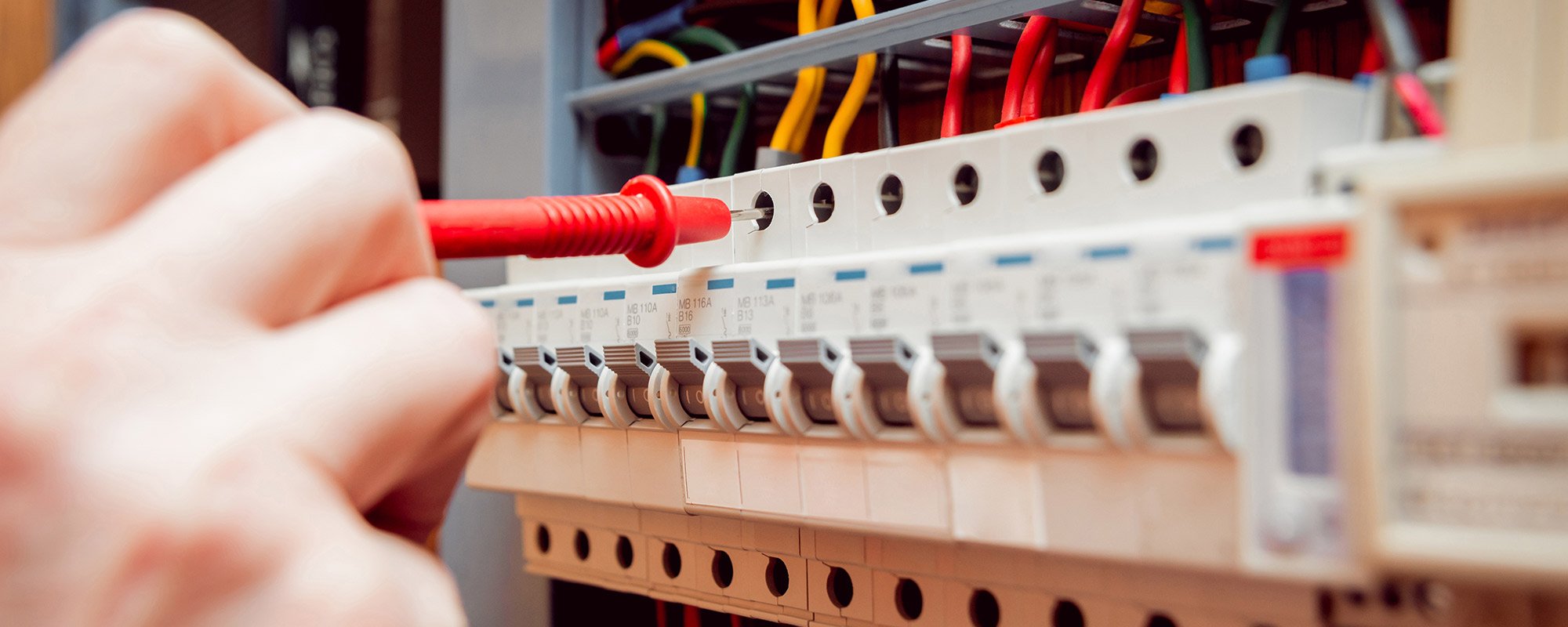
Before diving into any electrical work, it’s essential to understand the basics of residential electrical systems. The electrical system in a typical home consists of a breaker box, circuits, wires, switches, and outlets. The breaker box is the main control panel that distributes electricity throughout the house. The circuits carry the electrical current from the breaker box to various outlets and appliances. Understanding how these components work together will give you a solid foundation for your electrical projects.
Safety First
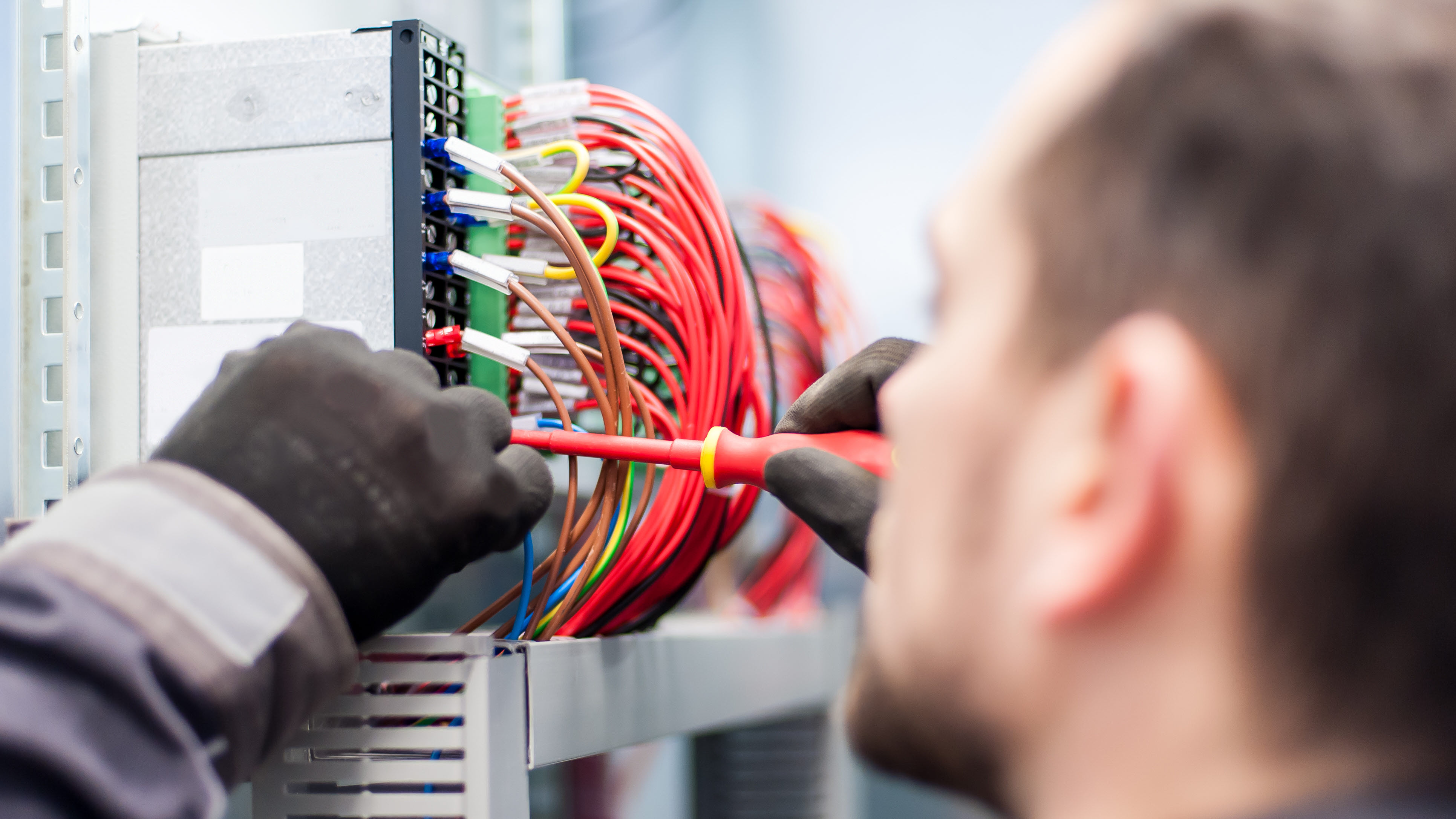
Safety should always be the primary concern when working with electricity. Before starting any electrical work, make sure to turn off the power at the breaker box and use a circuit tester to confirm that the power is off. It’s also important to wear appropriate safety gear, such as safety glasses and insulated gloves, to protect yourself from electrical shocks.
Wiring Tips and Techniques
Proper wiring is crucial for electrical projects to ensure functionality and safety. Understanding basic wiring techniques will help you with tasks such as installing outlets, switches, and light fixtures. It’s important to use the right gauge wire for each circuit and to properly connect wires using wire nuts or terminal blocks. Additionally, learning how to strip wires, make solid connections, and secure cables will ensure a reliable electrical system.
Common Home Electrical Projects
There are several common home electrical projects that you may encounter as a DIY enthusiast. These include installing new outlets, replacing switches, adding light fixtures, and troubleshooting electrical problems. We will provide step-by-step instructions and useful tips for each project to help you successfully complete them.
Advanced Electrical Installations
While many electrical projects can be done by homeowners, there are some advanced installations that may require the expertise of a licensed electrician. These include installing new circuits, adding sub-panels, and upgrading the electrical service. We will discuss these projects in detail, but it’s important to assess your skills and knowledge before attempting them on your own.
Electrical Codes and Permits
Understanding and following electrical codes is crucial for any electrical work. Electrical codes ensure that installations are safe and meet industry standards. We will discuss the importance of adhering to electrical codes and obtaining the necessary permits for major electrical projects. This will help you ensure that your work is up to code and prevent potential issues down the line.

Conclusion
Home electrical work can be a rewarding and cost-effective way to improve your living space. By following the guidelines and tips in this comprehensive guide, you can confidently handle various electrical projects on your own. Remember to prioritize safety, obtain the necessary knowledge, and know your limits. If you’re unsure about any aspect of a project, it’s always best to consult a professional electrician for guidance. With the right precautions and knowledge, you can successfully complete home electrical work and enjoy a safe and well-functioning electrical system in your home.