Mastering the Art of Electrical Troubleshooting: Tips from the Pros
Electrical troubleshooting can be a daunting task, even for the most experienced professionals. However, with the right techniques and a solid understanding of electrical systems, you can become a master troubleshooter. In this article, we will provide you with valuable tips from the pros that will help you enhance your electrical troubleshooting skills.
Understanding the Basics
Before diving into the world of electrical troubleshooting, it is crucial to have a strong foundation in the basics. Familiarize yourself with electrical circuits, components, and safety precautions. This will not only ensure your safety but also enable you to identify potential issues effectively.
One essential concept to grasp is Ohm’s Law, which states that the current flowing through a conductor is directly proportional to the voltage and inversely proportional to the resistance. This law forms the basis of troubleshooting electrical systems.
Develop a Systematic Approach
Effective electrical troubleshooting requires a systematic approach. Start by gathering as much information as possible about the problem at hand. Speak to the individuals who experienced the issue and note down any relevant details. This will help you narrow down your search for potential causes.
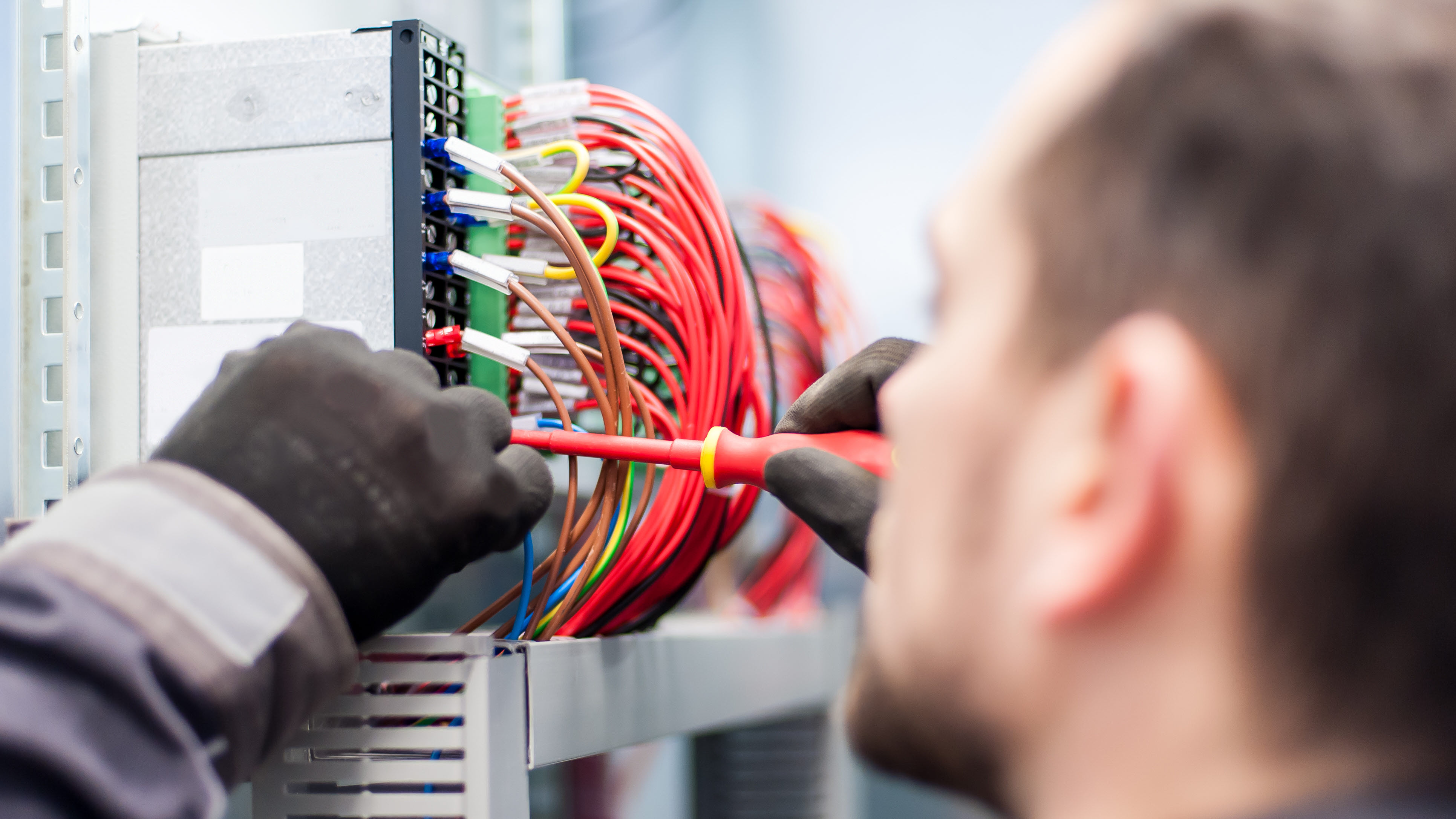
Next, visually inspect the electrical system for any obvious signs of damage or anomalies. Look for loose connections, burnt components, or frayed wires. These visual cues can often lead you to the root cause of the problem.
If no visible issues are present, it’s time to employ tools such as multimeters, clamp meters, or oscilloscopes to measure voltages, currents, or waveforms. These instruments provide valuable insights into the behavior of electrical systems and assist in identifying faulty components.
Testing and Isolating Components
When troubleshooting electrical systems, it is crucial to test and isolate components to identify the faulty ones. Begin by disconnecting power to the system to ensure your safety.
One effective technique is to use a process of elimination. Start by disconnecting all components and then reconnect them one by one, testing the system after each reconnection. This method helps identify the specific component that is causing the issue.
Another useful approach is to perform continuity tests to check for open or short circuits. By utilizing a multimeter, you can determine if a circuit is complete or if there is an interruption in the flow of current. This assists in pinpointing problematic areas within the system.
Utilize Troubleshooting Documentation
Many electrical systems come with troubleshooting documentation provided by manufacturers. These documents outline common issues, their potential causes, and step-by-step troubleshooting procedures. It is essential to familiarize yourself with these resources as they can save you time and effort when diagnosing problems.
Additionally, online resources and forums dedicated to electrical troubleshooting can be valuable sources of information. Engaging with professionals in the field and learning from their experiences can broaden your knowledge and help you master the art of electrical troubleshooting.
FAQs (Frequently Asked Questions)
Q: How can I ensure my safety while troubleshooting electrical systems?
A: Safety should always be the top priority when dealing with electrical systems. Make sure to disconnect power, wear appropriate personal protective equipment (PPE), and follow established safety procedures. If you are unsure about any aspect of electrical troubleshooting, it is best to consult a professional.
Q: What are some common causes of electrical system failures?
A: Electrical system failures can be caused by various factors, including loose connections, overloaded circuits, faulty components, moisture or water damage, and overheating. Thoroughly inspecting the system and using proper diagnostic tools can help identify the root cause.
Q: Can I troubleshoot complex electrical systems without professional training?
A: While professional training can provide in-depth knowledge and expertise, it is possible to troubleshoot complex electrical systems with self-study and hands-on experience. However, always be mindful of your limitations and seek professional assistance when dealing with intricate or potentially hazardous situations.
For more detailed information and advanced techniques on mastering electrical troubleshooting, check out this comprehensive guide written by industry experts.