Navigating the Essentials of Electrical Work
Embarking on electrical work within your home can be both empowering and challenging. This comprehensive guide aims to demystify the world of electrical systems, offering insights into the basics, safety considerations, common projects, and when to call in a professional. Whether you’re a DIY enthusiast or looking to gain a better understanding of your home’s electrical infrastructure, this guide will illuminate the path to a well-wired and safe living space.
Decoding the Basics: Understanding Electrical Systems
- Electrical Components
The electrical system in a home consists of various components, including the main service panel, circuit breakers, wiring, outlets, and switches. Understanding the function of each component is essential for any homeowner venturing into electrical work.
- Types of Wiring
Different types of wiring serve distinct purposes in a home. From the standard non-metallic (NM) cables for general wiring to specialized cables like armored cables (AC) or metal-clad cables (MC) for added protection, knowing when and where to use specific types of wiring is crucial.
- Voltage and Amperage
Voltage and amperage are fundamental concepts in electricity. Voltage measures the force of electricity, while amperage measures the quantity. Understanding these terms is vital for ensuring that electrical components are compatible and operate safely within a home.
- Grounding and Bonding
Proper grounding and bonding are essential for electrical safety. Grounding provides a path for electricity to flow safely into the ground in the event of a fault, while bonding ensures that all conductive materials are interconnected to prevent the buildup of voltage.
Safety First: Essential Electrical Safety Considerations
- Power Off and Lockout/Tagout
Before starting any electrical work, it’s crucial to turn off the power to the circuit at the main service panel. Lockout/tagout procedures can be used to prevent the accidental or unauthorized energizing of a circuit during maintenance or repairs.
- Testing for Voltage
Always test for the presence of voltage before touching or working on any electrical components. A non-contact voltage tester is a handy tool for quickly determining if a wire or device is live.
- Use of Personal Protective Equipment (PPE)
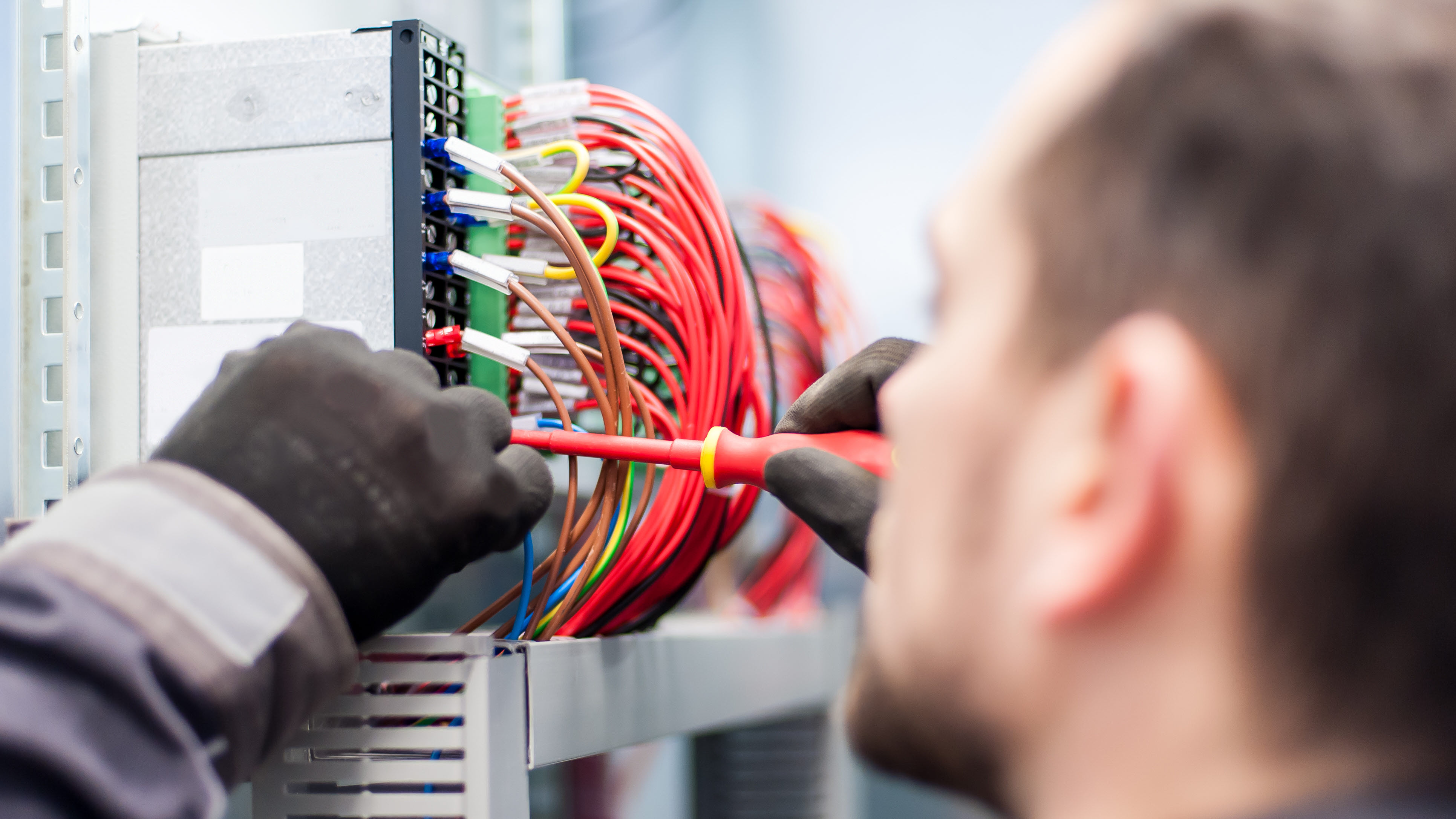
Personal protective equipment, including insulated gloves and safety glasses, should be worn when performing electrical work. PPE provides an additional layer of protection against electrical shocks and potential hazards.
- Knowing When to Call a Professional
While DIY electrical projects can be rewarding, certain tasks should be left to licensed professionals. Complex wiring, panel upgrades, or any work involving the main service panel are examples of projects where expertise is critical for safety.
Common Electrical Projects for Homeowners
- Installing Outlets and Switches
Replacing or installing electrical outlets and switches is a common DIY project for homeowners. Proper wiring techniques and safety precautions must be followed to ensure a reliable and safe installation.
- Upgrading Lighting Fixtures
Upgrading lighting fixtures can enhance the aesthetics of a home. Whether replacing a ceiling fan or installing a new chandelier, understanding basic wiring principles is essential for a successful installation.
- Adding Electrical Circuits
Homeowners may need to add new electrical circuits for appliances, home offices, or other areas with increased power demands. This project involves running new wiring and installing circuit breakers in the main service panel.
- Troubleshooting Tripped Breakers
Understanding how to troubleshoot and reset tripped circuit breakers is a valuable skill for homeowners. Tripped breakers can be indicative of electrical issues that need attention.
DIY Electrical Work Safety: A Guide for Homeowners
In conclusion, delving into electrical work at home requires a balance of knowledge, caution, and respect for safety protocols. Whether you’re tackling a DIY project or recognizing the need for professional assistance, understanding the basics of electrical systems and safety considerations is paramount. By approaching electrical work with the right knowledge and mindset, homeowners can create a well-wired and safe living environment for themselves and their families.