In the realm of interior design, European style stands out as a timeless and sophisticated approach that effortlessly blends history with modernity. Renowned for its elegance, attention to detail, and a harmonious fusion of various influences, European interior design has left an indelible mark on the global design landscape. Let’s delve into the key elements that define the essence of European style and how you can incorporate this refined aesthetic into your own living spaces.
Understanding European Interior Design:
- Elegance in Simplicity:
European interior design is characterized by a commitment to simplicity and functionality. Clean lines and uncluttered spaces are fundamental aspects, creating an atmosphere of understated luxury. The focus is on quality over quantity, with carefully curated pieces that stand the test of time.
- Timeless Color Palette:
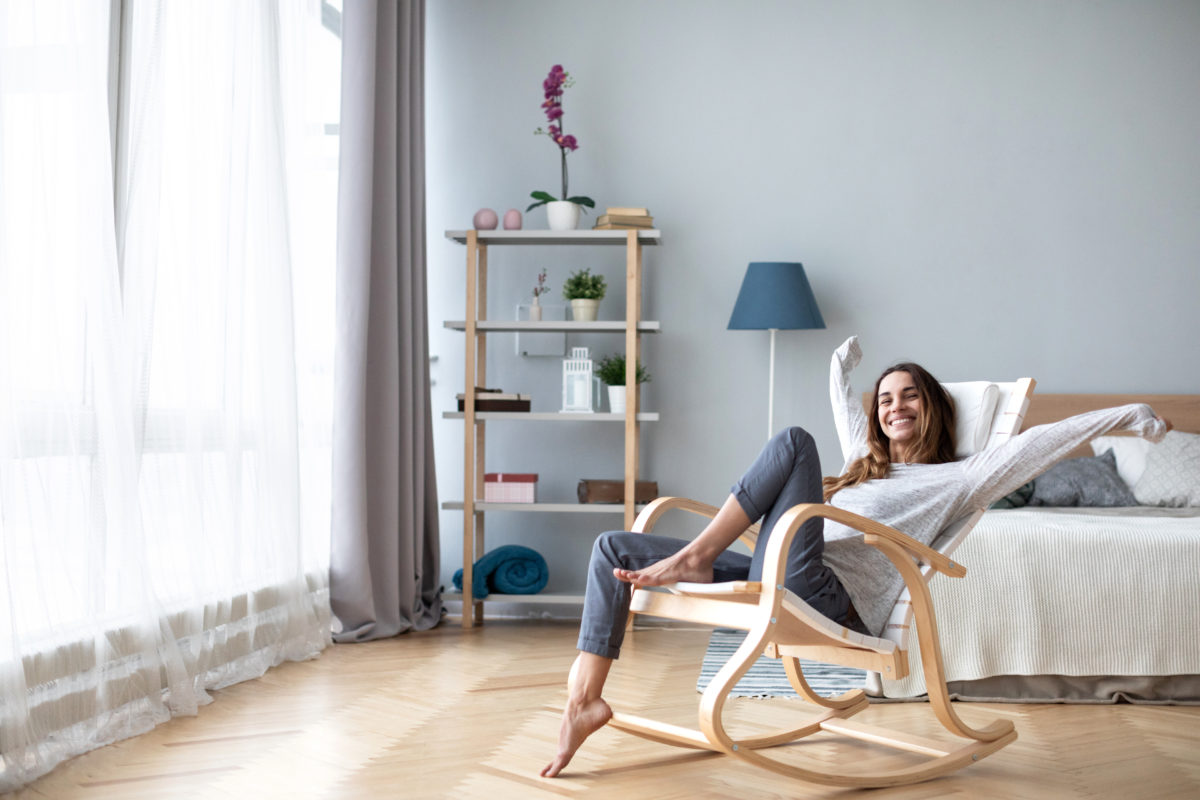
Neutral color palettes dominate European interiors. Whites, creams, and soft pastels contribute to an airy and light-filled ambiance. These timeless hues serve as a canvas for other design elements, allowing furniture, artwork, and architectural details to take center stage.
- Rich Materials and Textures:
European design often features an array of rich materials such as hardwood, marble, and stone. These natural elements add warmth and texture to the space. Luxurious fabrics like velvet and silk are commonly used for upholstery, drapery, and accent pieces, adding a touch of opulence.
- Classic Furniture with a Modern Twist:
While European interior design draws inspiration from classical styles, it seamlessly incorporates modern elements. Traditional furniture pieces with intricate detailing are juxtaposed with sleek, contemporary designs. This blending of styles creates a balanced and eclectic look that is both sophisticated and inviting.
- Architectural Detailing:
European architecture has a profound influence on interior design. Crown molding, coffered ceilings, and decorative paneling are often used to add a sense of grandeur. These architectural details contribute to the overall character of the space, creating a sense of history and charm.
Incorporating European Style into Your Home:
- Choose a Timeless Color Scheme:
Opt for a neutral color palette for your walls, such as soft whites, muted grays, or gentle pastels. Use these hues as a backdrop to showcase your furniture and decor.
- Invest in Quality Furniture:
Select furniture pieces with classic silhouettes and durable materials. Consider timeless pieces such as a Chesterfield sofa, a Louis XVI-style chair, or a sturdy farmhouse table. Mix and match styles for a curated, lived-in look.
- Embrace Natural Materials:
Incorporate natural materials like wood, stone, and metal into your design. Wooden floors, marble countertops, and wrought iron fixtures add authenticity and a touch of European charm.
- Focus on Details:
Pay attention to small details that can elevate your space. Crown molding, wainscoting, and decorative trim can bring a sense of sophistication and character to your interiors.
- Balance Tradition and Modernity:
Don’t be afraid to mix traditional and modern elements. Pair a vintage chandelier with contemporary artwork, or combine antique furniture with sleek, minimalist decor. This juxtaposition creates a dynamic and visually appealing interior.
European interior design, with its timeless elegance and harmonious blend of tradition and modernity, offers a captivating aesthetic for homes worldwide. By embracing simplicity, a neutral color palette, rich materials, and a careful balance of classic and contemporary elements, you can infuse your living spaces with the enduring allure of European style. Transform your home into a haven of sophistication, where every detail tells a story of refined taste and timeless beauty.
As you embark on your journey to master European style interior design, remember that the true essence lies in creating a space that reflects your personality while paying homage to the rich design heritage that has inspired generations.