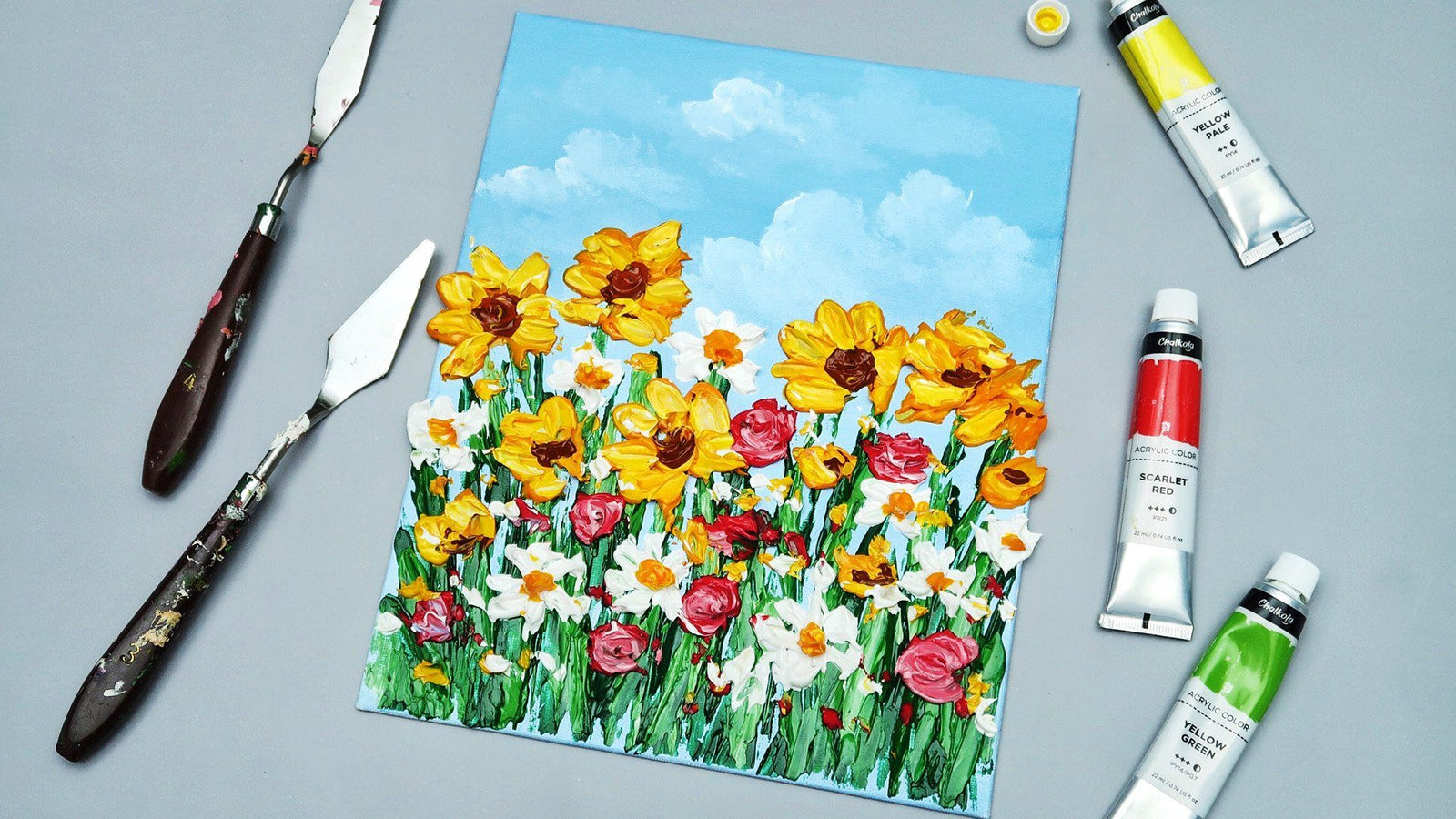
The Rich Tapestry of Painting A Timeless Expression of Creativity
From the ancient cave paintings that tell tales of early human existence to the contemporary masterpieces adorning gallery walls, painting has been an integral part of human expression for millennia. This intricate art form transcends time, capturing emotions, stories, and culture on canvases that stand as windows into different eras. In this exploration of the artistry of painting, we delve into its rich history, the evolution of techniques, and the enduring allure that continues to captivate art enthusiasts worldwide.
Understanding the Essence of Painting
At its core, painting is a form of visual art where pigments, typically in the form of liquid, are applied to a surface to create images or designs. The versatility of this medium has allowed artists to experiment with various styles, themes, and materials, leading to an extensive array of artistic expressions. Whether using brushes, palette knives, or even fingers, painters imbue their creations with their unique perspectives, making each piece a testament to individual creativity.
The Historical Tapestry
Ancient Beginnings Cave Paintings and Beyond
The roots of painting can be traced back to prehistoric times when early humans utilized cave walls as their canvases. These ancient cave paintings, found in locations like Lascaux in France and Altamira in Spain, provide a glimpse into the daily lives, beliefs, and fauna of our ancestors. These primitive yet evocative artworks set the stage for the evolution of painting as a means of communication and expression.
Renaissance Resurgence The Birth of Masterpieces
Fast forward to the Renaissance, a period that witnessed a profound revival of the arts. Visionaries like Leonardo da Vinci, Michelangelo, and Raphael emerged, showcasing their mastery of painting techniques that elevated the craft to new heights. Oil painting, a medium known for its depth and luminosity, became the preferred choice for artists, allowing them to create enduring masterpieces such as the iconic Mona Lisa and The Last Supper.
Evolution of Techniques
The Impressionist Revolution
In the 19th century, a group of rebellious artists known as the Impressionists challenged traditional artistic conventions. Rejecting the strict realism of their predecessors, artists like Claude Monet and Edgar Degas embraced loose brushstrokes and the play of light to convey the essence of a scene rather than its precise details. This movement marked a pivotal moment in the evolution of painting, paving the way for modern art.
Abstract Expressionism Emotion on Canvas
The mid-20th century saw the rise of Abstract Expressionism, a movement characterized by the spontaneous and emotional application of paint. Artists like Jackson Pollock and Willem de Kooning embraced a gestural approach, allowing their subconscious to guide the creation of powerful, evocative canvases. This departure from representational art challenged viewers to interpret and connect with paintings on a more visceral level.
The Allure of Painting in the Modern Era
In today’s digital age, where technology dominates many aspects of life, painting maintains its relevance and allure. Contemporary artists continue to push boundaries, blending traditional techniques with innovative approaches. The rise of street art, digital painting, and installations further expands the definition of what constitutes a painting, showcasing the adaptability and enduring nature of this art form.
The Intersection of Tradition and Innovation
Contemporary painters find themselves at the intersection of tradition and innovation, navigating a landscape where classical techniques coexist with cutting-edge methods. The fusion of traditional brushwork with digital tools has given rise to a new wave of artistic possibilities, allowing artists to explore uncharted territories in the realm of visual expression.
A Canvas of Endless Possibilities
As we traverse the vast timeline of painting, from the ancient cave walls to the dynamic canvases of contemporary artists, it becomes evident that this timeless craft is a mirror reflecting the evolution of human expression. Painting, with its rich history and ever-expanding palette of techniques, continues to captivate and inspire, proving that the canvas is a space of endless possibilities where artists can weave the threads of the past, present, and future. Whether capturing the essence of a moment or pushing the boundaries of artistic norms, painting remains an enduring testament to the boundless creativity inherent in the human spirit.