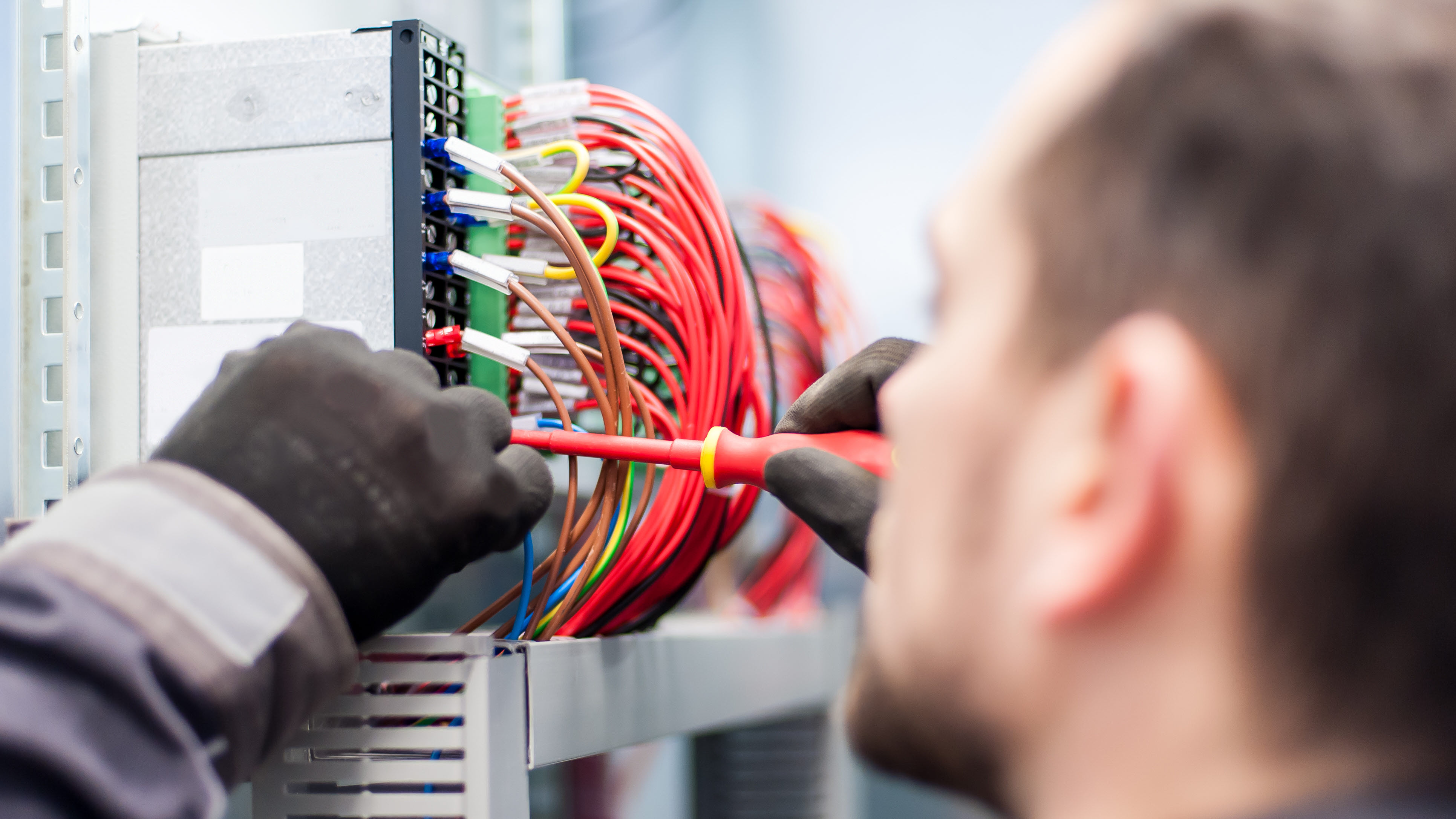
Demystifying the Essentials and Ensuring a Safe Electrical Environment
As homeowners, the electrical systems within our homes are the silent lifelines that power our daily lives. This article serves as a comprehensive guide to electrical work in the home, covering essential concepts, common tasks, and safety measures to empower you in managing and maintaining a safe and efficient electrical environment.
Unveiling the Basics of Electrical Systems
Before delving into specific electrical work tasks, it’s crucial to understand the fundamental components that make up the electrical systems in homes.
Understanding Electrical Circuits
Cracking the Circuit Code: Understanding Electrical Circuits in Your Home
Electrical circuits are the pathways through which electricity flows. In homes, circuits are typically divided into lighting circuits and power circuits. Understanding how these circuits function is essential for any homeowner looking to navigate electrical work.
- Lighting Circuits: Illuminate your understanding by realizing that lighting circuits power fixtures and bulbs in your home. They are designed to handle the lower power requirements of lighting.
- Power Circuits: Power circuits, on the other hand, handle heavier loads and are responsible for supplying electricity to outlets and appliances throughout your home.
Common Electrical Work Tasks for Homeowners
Now equipped with a basic understanding of electrical circuits, let’s explore some common electrical tasks that homeowners might encounter.
Electrical Outlets and Switches
Plug into Safety: Changing Electrical Outlets and Switches in Your Home
Electrical outlets and switches may need replacing due to wear and tear or aesthetic upgrades. Here’s how you can tackle this task safely:
- Turn off the power to the circuit at the breaker panel.
- Use a voltage tester to ensure the power is off.
- Remove the cover plate and unscrew the outlet or switch.
- Transfer wires to the new outlet or switch, ensuring correct placement.
- Screw the new outlet or switch into place and replace the cover plate.
Installing Light Fixtures
Shine a Light: Installing Light Fixtures with Confidence
Installing a new light fixture can enhance both the aesthetics and functionality of your home. Here’s a step-by-step guide:
- Turn off the power at the breaker panel.
- Remove the existing light fixture.
- Connect the wires of the new fixture to the corresponding wires in the electrical box.
- Secure the fixture in place and attach any accompanying parts.
- Turn the power back on and test the new light fixture.
Troubleshooting Tripped Circuit Breakers
Tripped and Tested: Troubleshooting Circuit Breakers in Your Home
Tripped circuit breakers can disrupt the flow of electricity. Follow these steps to troubleshoot and reset a tripped breaker:
- Identify the tripped breaker in the breaker panel.
- Turn the breaker to the off position and then back on.
- If the breaker continues to trip, unplug devices from the affected circuit and try again.
- If the issue persists, consult with a professional electrician.
Safety First: Tips for Electrical Work at Home
Safety Sparks Success: Tips for Conducting Electrical Work Safely
Safety is paramount when dealing with electrical work. Here are essential tips to ensure your well-being and the integrity of your home’s electrical systems:
- Turn Off the Power: Always turn off the power at the breaker panel before attempting any electrical work. Use a voltage tester to verify that the power is indeed off.
- Use the Right Tools: Invest in quality electrical tools to ensure proper functionality and safety. These may include wire strippers, voltage testers, and insulated screwdrivers.
- Avoid Overloading Circuits: Distribute your electrical devices across different circuits to prevent overloading. This practice reduces the risk of tripped breakers and potential electrical hazards.
- Know When to Seek Professional Help: If you encounter electrical issues beyond your comfort level, or if a task involves complex wiring, it’s advisable to seek the assistance of a licensed electrician.
Mastering Home Electrical Work: A Step-by-Step Guide for DIY Enthusiasts
In conclusion, understanding and performing electrical work in your home is a valuable skill that can enhance the functionality and safety of your living space. By grasping the basics of electrical circuits, tackling common tasks like changing outlets and switches, installing light fixtures, and troubleshooting circuit breakers, homeowners can navigate electrical work with confidence. Remember, safety always comes first, so equip yourself with the right knowledge and tools before embarking on any electrical project at home.