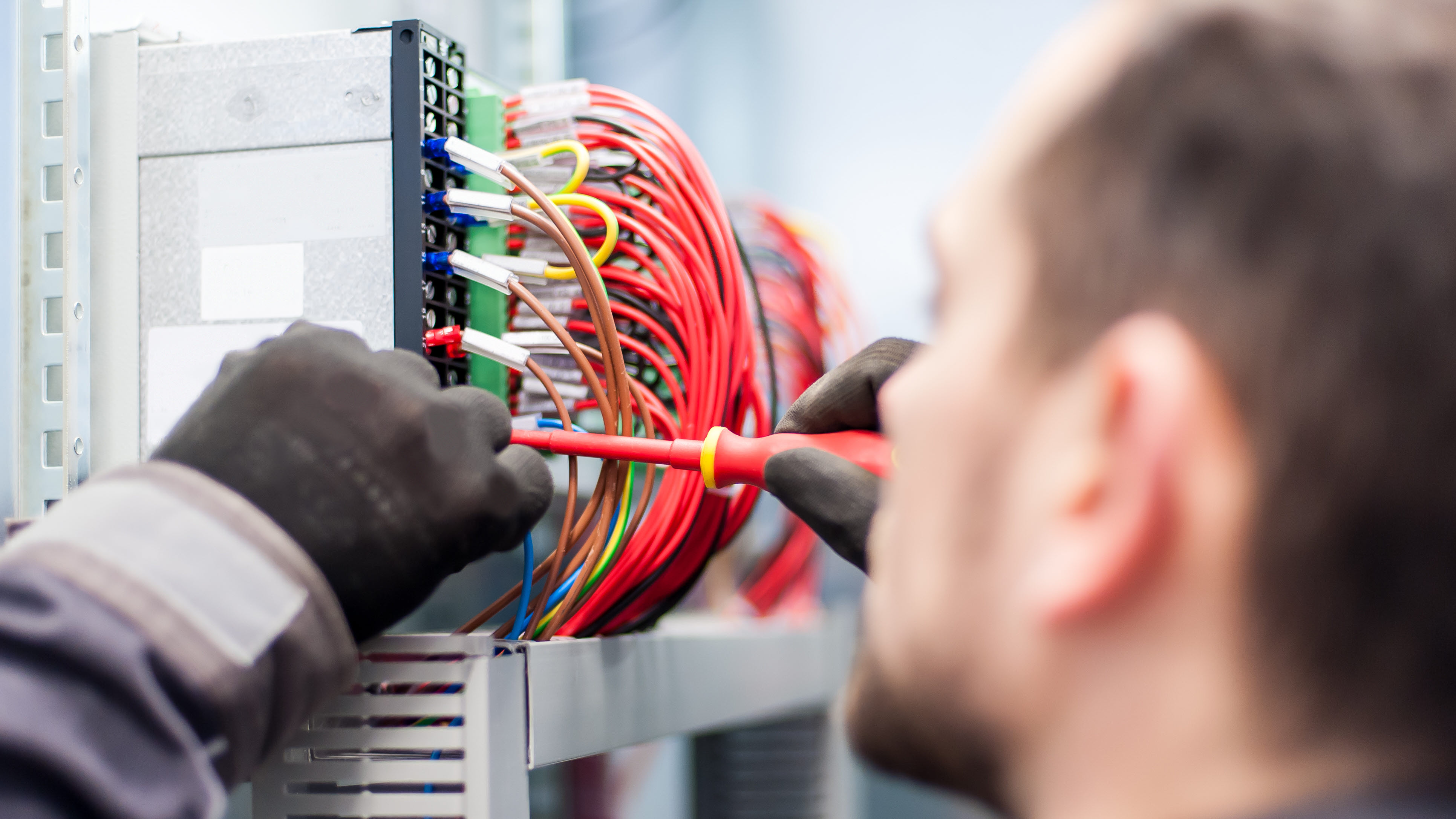
Understanding the Basics: What is Electrical Work?
Electrical work is a critical aspect of homeownership that often goes unnoticed until something goes wrong. From installing light fixtures to addressing electrical issues, having a basic understanding of electrical work is essential for maintaining a safe and functional home.
The Importance of Electrical Work
Electrical work encompasses a wide range of tasks, each vital for ensuring a home’s electrical system operates efficiently and safely. This includes the installation, maintenance, and repair of electrical components, wiring, and fixtures. The importance of proper electrical work cannot be overstated, as faulty wiring or outdated systems can lead to serious safety hazards such as electrical fires.
DIY vs. Professional Electrical Work
Pros and Cons of DIY Electrical Work
While there are numerous online tutorials and guides tempting homeowners to embark on DIY electrical projects, it’s crucial to weigh the pros and cons. DIY projects can save money but may lack the precision and safety standards that professionals bring to the table. Simple tasks like changing a light switch may be manageable for a homeowner, but more complex projects should be left to certified electricians to avoid risks.
Hiring Professional Electricians
Electrical work often demands a professional touch, and hiring certified electricians ensures that the work is compliant with local building codes and safety standards. Professionals not only bring expertise but also offer a guarantee of quality workmanship. When dealing with intricate tasks like panel upgrades or rewiring, entrusting the job to professionals is a wise investment in the safety and functionality of your home.
Common Electrical Projects for Homeowners
1. Upgrading Lighting Fixtures
One of the most common electrical projects for homeowners is upgrading lighting fixtures. Whether you’re looking to enhance the aesthetics of your home or increase energy efficiency, swapping out old fixtures for new, energy-efficient alternatives can be a rewarding DIY project.
2. Installing Ceiling Fans
Ceiling fans are both functional and decorative additions to any home. Installing a ceiling fan involves electrical work, making it essential to follow safety guidelines and, in some cases, seek professional assistance.
3. Outlet and Switch Replacements
Over time, outlets and switches can wear out or become outdated. Replacing them is a relatively simple DIY project that can instantly enhance the functionality and appearance of your living space.
4. Troubleshooting Electrical Issues
When faced with flickering lights, tripped circuit breakers, or other electrical issues, homeowners often need to troubleshoot the problem. While some issues may be easily resolved, persistent problems may require the expertise of a professional electrician.
Safety First: Tips for DIY Electrical Work
1. Turn Off the Power
Before beginning any electrical work, always turn off the power to the circuit or device you’ll be working on. This is a fundamental safety measure that can prevent electrical shocks and accidents.
2. Use the Right Tools
Using the correct tools for electrical work is crucial. Insulated screwdrivers, wire strippers, and voltage testers are examples of tools that ensure safety and precision.
3. Know Your Limits
While DIY projects can be empowering, it’s crucial to recognize your limitations. If a project seems too complex or requires specialized knowledge, don’t hesitate to seek professional help.
Ensuring Electrical Safety in Home DIY Projects
When venturing into DIY electrical work, ensuring safety should be a top priority. Understanding the basics, knowing when to seek professional help, and following safety guidelines are key to successful and secure home electrical projects. Remember, mastering the spark begins with a commitment to safety and a willingness to learn the essentials of electrical work for homeowners.