The Essential Guide to Generator Installation: What You Need to Know
Introduction:
Generator installation is an essential aspect of ensuring uninterrupted power supply and preparedness during power outages. Whether you are a homeowner, a business owner, or someone who relies heavily on electricity, having a generator can be a game-changer. In this comprehensive guide, we will walk you through everything you need to know about generator installation, from the basics to the technicalities. So, let’s dive in!
Understanding Generators:
Before delving into the installation process, it’s crucial to have a clear understanding of generators. In simple terms, a generator is a device that converts mechanical energy into electrical energy. It acts as a backup power source when the primary electrical supply fails. Generators come in various sizes, types, and fuel options, catering to a wide range of needs and budgets.
Choosing the Right Generator:
Selecting the right generator for your requirements is the first step towards a successful installation. Consider the following factors before making a decision:
1. Power Requirements: Determine the essential appliances and equipment you want to power during an outage. Calculate their total wattage to ensure the generator you choose can handle the load.
2. Fuel Type: Generators can run on gasoline, diesel, natural gas, or propane. Each fuel type has its pros and cons, such as availability, cost, and environmental impact. Choose the one that suits your needs and preferences.
3. Portability: If you need a generator that can be easily moved around, opt for a portable model. However, if you require a permanent backup power solution, a standby generator might be a better choice.
4. Noise Level: Some generators can be quite noisy, which can be a concern if you live in a residential area. Look for models with noise-reducing features or consider installing soundproof enclosures.
5. Budget: Set a budget that aligns with your requirements and explore options within that range. Remember, investing in a high-quality generator is a long-term investment that ensures reliability and peace of mind.
Installation Process:
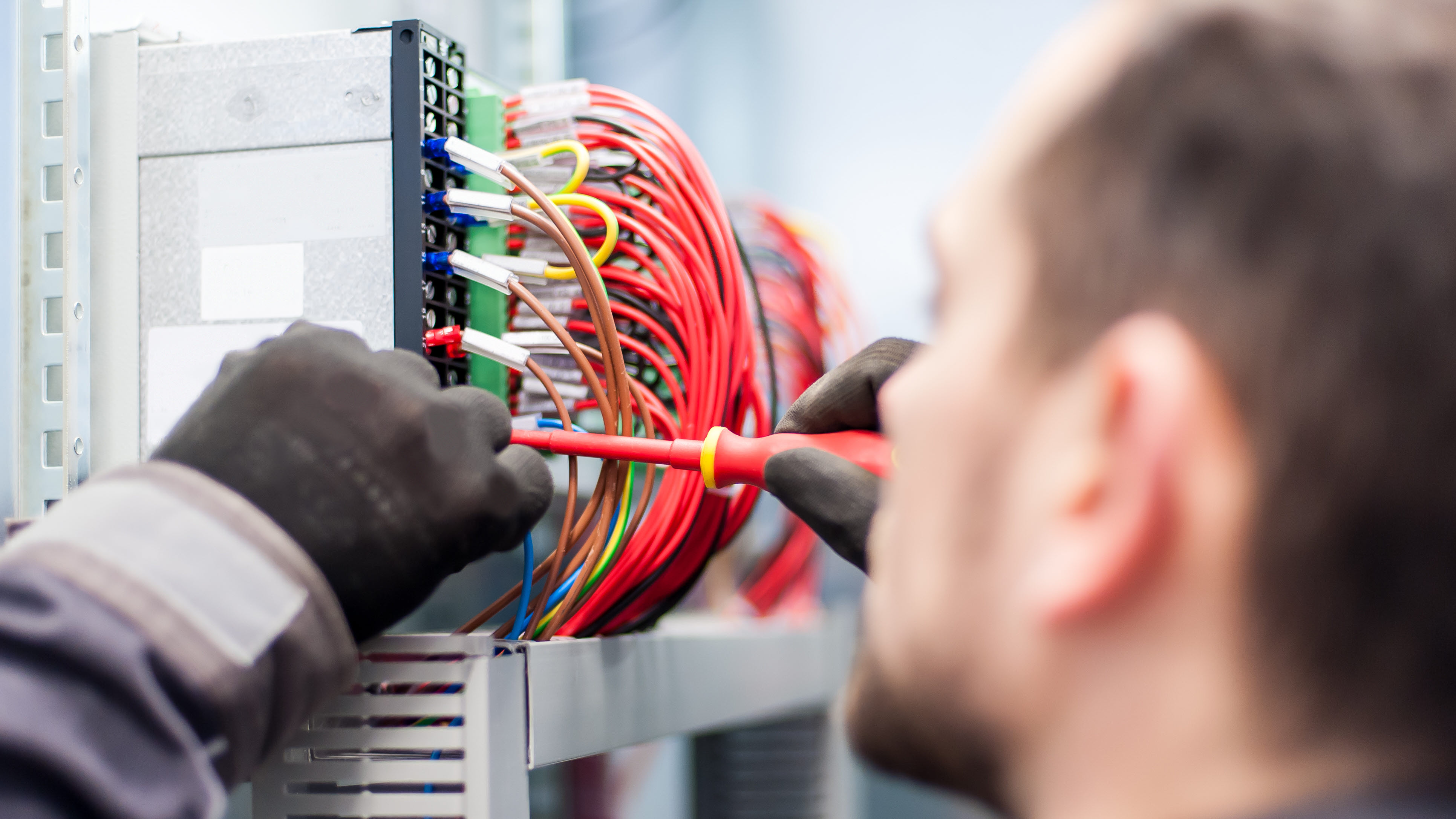
Once you have chosen the right generator, it’s time to move on to the installation process. While it’s recommended to hire a professional electrician or generator installer for a safe and efficient installation, here are the general steps involved:
1. Site Selection: Identify a suitable location for your generator installation. It should be well-ventilated, away from flammable materials, and easily accessible for maintenance.
2. Obtaining Permits: Check with your local authorities if any permits or approvals are required for generator installation. Adhering to legal requirements ensures a smooth and hassle-free process.
3. Electrical Connections: Connect the generator to your electrical system using a transfer switch or an interlock kit. These devices prevent backfeeding, ensuring the safety of utility workers and preventing damage to your generator.
4. Fuel Connections: If your generator runs on gasoline, diesel, or propane, ensure proper fuel connections are established. Follow the manufacturer’s instructions for a secure and leak-free setup.
5. Exhaust System: Install an exhaust system to safely vent the generator’s emissions outside. Carbon monoxide poisoning is a serious risk, so make sure to follow all safety guidelines.
6. Testing and Maintenance: Once the installation is complete, test your generator to ensure it functions properly. Regular maintenance, including oil changes, filter replacements, and inspections, is crucial for optimal performance and longevity.
Frequently Asked Questions (FAQs):
Q1. Can I install a generator myself, or should I hire a professional?
It is highly recommended to hire a professional electrician or generator installer for generator installation. They have the necessary expertise and knowledge to ensure a safe and code-compliant setup.
Q2. How long does the installation process typically take?
The duration of the installation process depends on various factors, such as the complexity of the electrical connections, fuel connections, and site preparation. On average, it can take anywhere from a few hours to a couple of days.
Q3. Can I install a standby generator indoors?
Standby generators are typically installed outdoors due to ventilation requirements and noise considerations. However, if you have a dedicated generator room or enclosure that meets safety standards, indoor installation may be possible.
Q4. Do I need a permit for generator installation?
Permit requirements vary depending on your location and the size of the generator. It’s essential to check with your local authorities to ensure compliance with regulations.
Q5. How often should I maintain my generator?
Regular maintenance is crucial to keep your generator in optimal condition. Consult the manufacturer’s guidelines for specific maintenance intervals, but generally, it is recommended to perform maintenance at least once a year or as per the manufacturer’s recommendations.
Conclusion:
Generator installation is a crucial step towards ensuring a reliable backup power supply during outages. By understanding the basics, choosing the right generator, and following the installation process diligently, you can enjoy uninterrupted power and peace of mind. Remember, safety should always be a priority, so don’t hesitate to seek professional help if needed. Stay prepared, stay powered!
For more detailed information on generator installation, you can refer to this informative article: [Insert external link to a related article on generator installation]
[Include another external link to a related article on generator installation, if desired]