The Importance of Regular Electrical Safety Inspections
Electrical safety is a crucial aspect of maintaining a safe and functional environment. Regular electrical safety inspections play a vital role in ensuring the well-being of individuals and the proper functioning of electrical systems. In this blog article, we will delve into the importance of these inspections and address some frequently asked questions.
Why Are Regular Electrical Safety Inspections Important?
1. Preventing Accidents and Hazards:
Electrical safety inspections help identify potential hazards and risks that may lead to accidents, such as electrical shocks, fires, or electrocution. By detecting and addressing these issues early on, the likelihood of accidents is significantly reduced, ensuring the safety of occupants and property.
2. Ensuring Compliance with Regulations:
Regular electrical safety inspections ensure compliance with local laws and regulations. This is particularly important for businesses and organizations to avoid penalties and legal consequences. Inspections help identify any non-compliant electrical systems or installations, allowing necessary corrections to be made promptly.
3. Extending Equipment Lifespan:
Electrical equipment, like any other machinery, requires regular maintenance to operate efficiently and have a longer lifespan. Inspections help identify any wear and tear, loose connections, or other issues that could lead to premature equipment failure. By addressing these problems in a timely manner, the lifespan of electrical equipment can be extended.
4. Enhancing Energy Efficiency:
Faulty electrical systems can be energy inefficient, resulting in increased utility bills. Regular inspections help identify any inefficiencies or energy-consuming components that need attention. By rectifying these issues, energy consumption can be optimized, leading to cost savings and a greener environment.
Frequently Asked Questions (FAQs)
- Q: How often should electrical safety inspections be conducted?
- Q: Who should perform electrical safety inspections?
- Q: What happens during an electrical safety inspection?
- Q: Are electrical safety inspections necessary for newly constructed buildings?
A: The frequency of inspections depends on various factors such as the age of the building, its usage, and local regulations. As a general guideline, residential properties should undergo inspections every 5-10 years, while commercial properties should be inspected more frequently, typically every 3-5 years. However, it is always advisable to consult a qualified electrician for a personalized recommendation.
A: Electrical safety inspections should be carried out by licensed and experienced electricians who are knowledgeable about electrical systems and regulations. Hiring a professional ensures that inspections are conducted thoroughly and accurately.
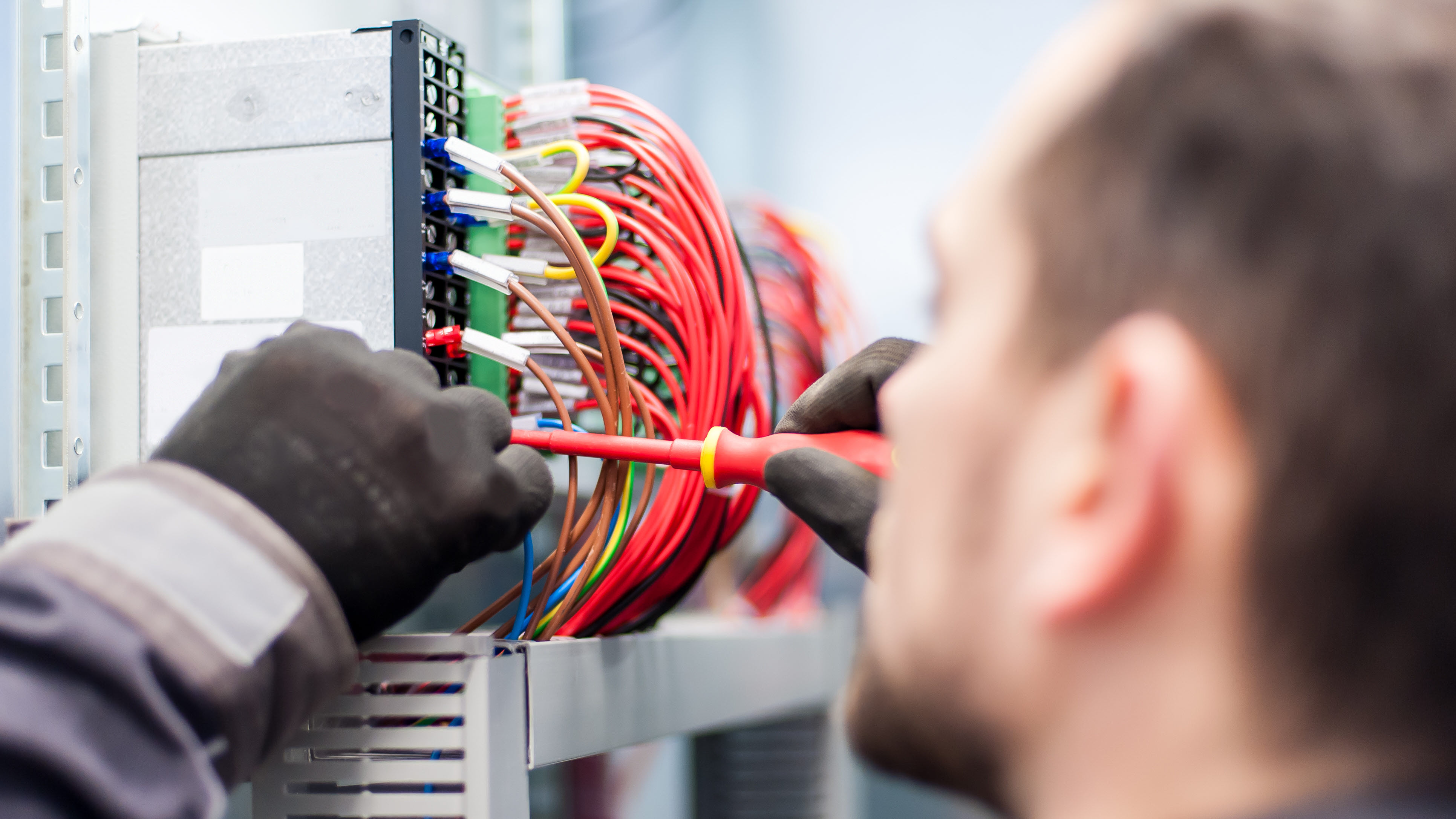
A: During an electrical safety inspection, the electrician assesses the condition of electrical components, wiring, outlets, switches, and other relevant elements. They check for any signs of damage, wear, or improper installations. They may also use specialized tools and equipment to measure voltage, test circuit breakers, and ensure proper grounding.
A: Yes, even newly constructed buildings should undergo electrical safety inspections. These inspections ensure that the electrical systems are correctly installed and comply with the required standards and regulations. It is essential to identify any potential issues before occupants move in.
Regular electrical safety inspections are a crucial part of maintaining a safe and efficient electrical system. By preventing accidents, ensuring compliance, extending equipment lifespan, and enhancing energy efficiency, these inspections contribute to the overall well-being of individuals and the smooth operation of electrical systems.
If you would like to learn more about electrical safety inspections, we recommend checking out the following resources:
- The Importance of Electrical Safety Inspections – ExampleLink1.com
- Electrical Safety Inspections: A Comprehensive Guide – ExampleLink2.com